


Tofino (n̓ačiqs) History
Tofino is a place deeply rooted in history, culture, and connection to the land and sea. This remarkable landscape has shaped a mosaic of history, resilience, and stewardship that continues to evolve.
Tla-o-qui-aht First Nation
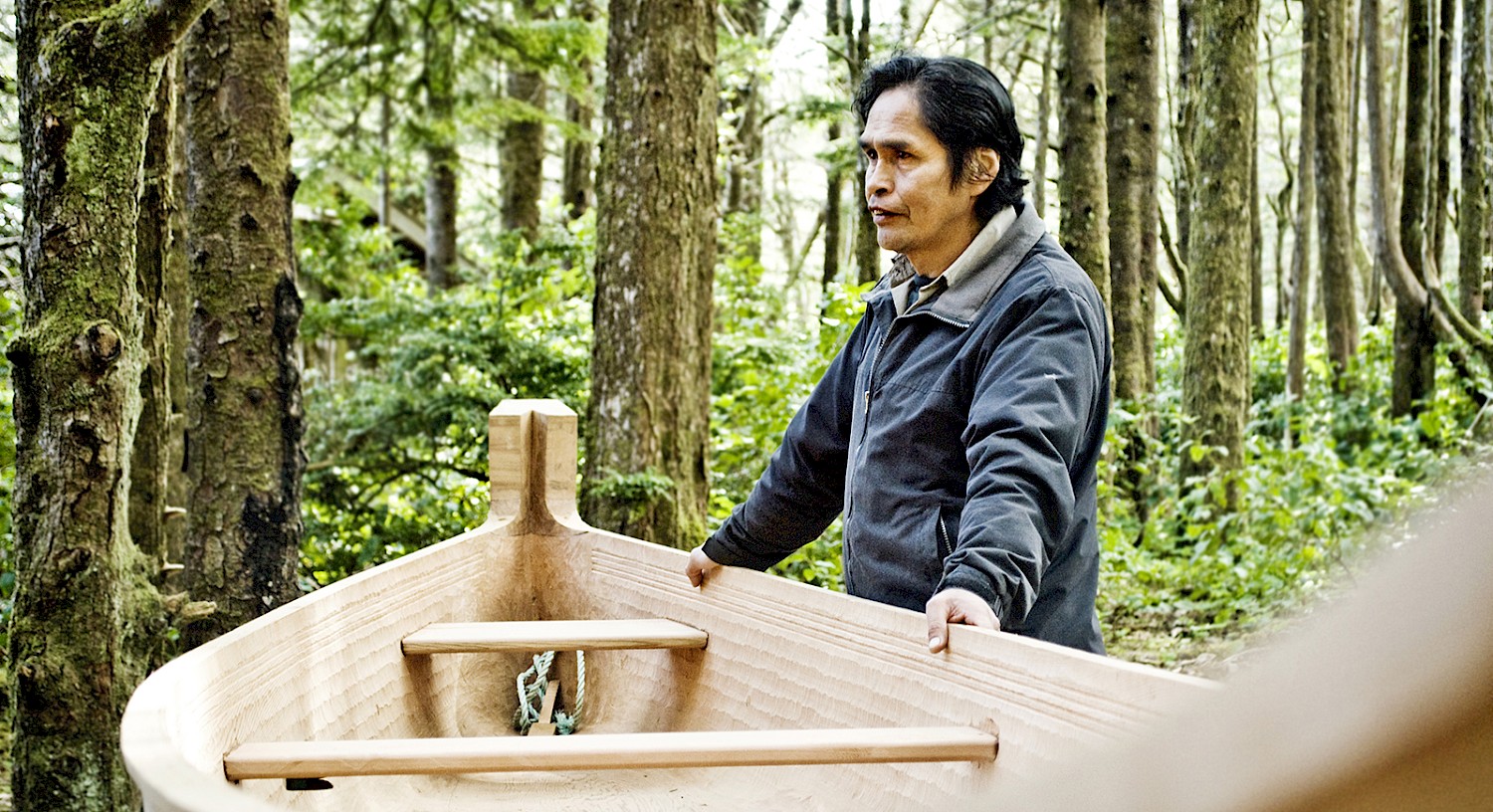
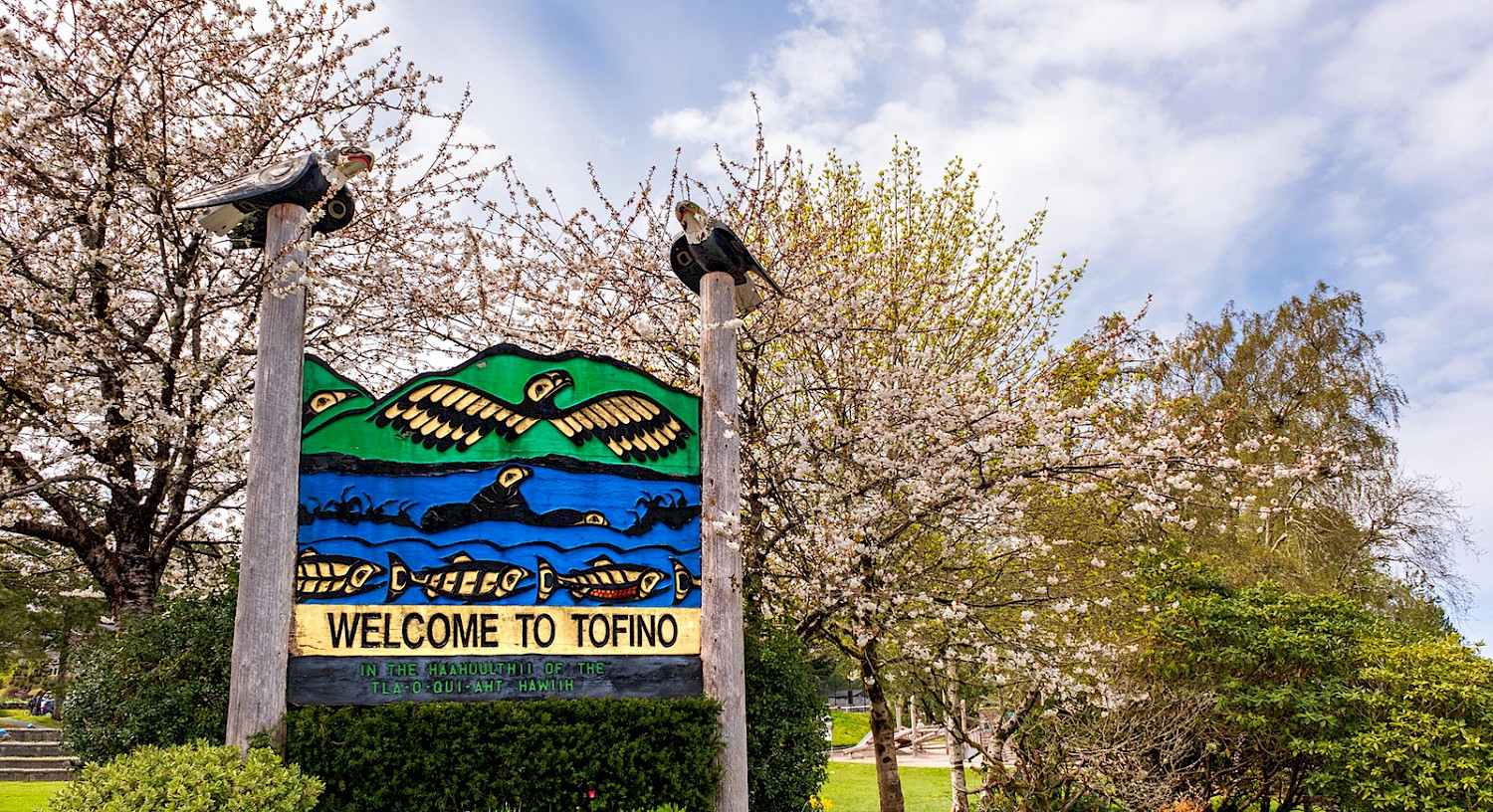
Tofino is situated within the traditional territory of the Tla-o-qui-aht First Nation, a nation that has lived in this region for thousands of years. Part of the Nuu-chah-nulth First Nations, the Tla-o-qui-aht people are known for their exceptional fishing skills, master carvings, and cultural traditions, holding a deep and respectful connection with the land and ocean. Their oral histories, songs, and dances embody a profound understanding of living in harmony with the natural world, which is embodied in the phrase hishuk’ish tsawalk (everything is connected, everything is one). The present-day community resides in the ancient village sites of Opitsaht and Esowista, Ty-Histanis and n̓ačiqs (Tofino).
Early European contact
The first recorded European contact in the Tofino area occurred in the late 18th century when British explorer Captain James Cook arrived in nearby Nootka Sound in 1778. During this era, the fur trade was established, with sea otter pelts being highly prized in Asia. Vancouver Island had a seemingly endless supply. In 1788, British trader John Meares captained the Felice Adventurero, flying a Portuguese flag without official sanction. This sparked a diplomatic dispute among Britain, Spain, and later America, over sovereignty and trade rights in the area.
Initially, the Tla-o-qui-aht people formed amicable trading relationships, but as mistrust and treachery eventually escalated, culminating in the 1811 attack and destruction of the American ship Tonquin.
Development of industry
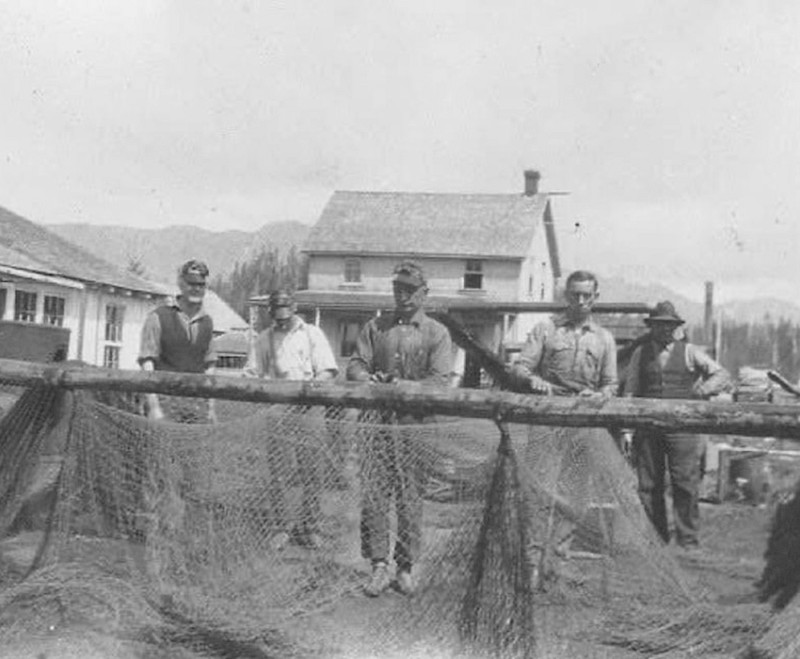
By the early 1870s, a trading post was established on Stubbs Island (now Clayoquot Island), across the channel from present-day Tofino. Serving a small population of around 150, this outpost, notable for BC’s first official liquor license, included a hotel, post office, and provincial police station.
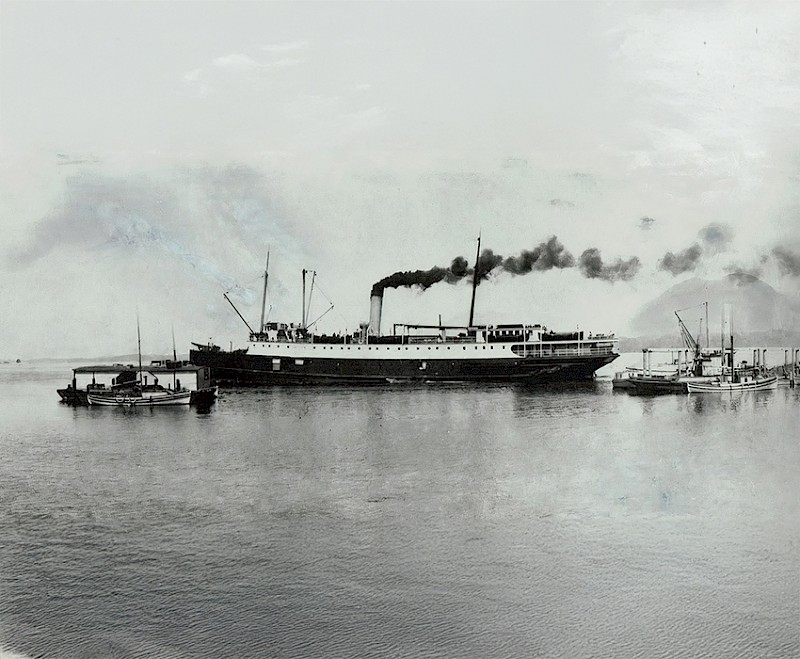
In 1909, the townsite of Tofino was officially formed on the Esowista Peninsula. The arrival of the Princess Maquinna steamer around 1913 marked the beginning of tourism, while key industries like fishing, mining and lumber thrived. Briefly, the area experienced a gold rush, which spurred the first scheduled seaplane flights to Tofino, signalling the start of broader connectivity.
The end of the road
While access by sea and air existed for decades, including an airport built during World War II, the opening of a logging road to Port Alberni in 1959 significantly transformed Tofino’s accessibility. This road connected the community to the outside world and led to a new era of growth and change.
In the 1960s, the arrival of surfers, draft dodgers, and alternative lifestyles helped craft Tofino’s reputation as a laid-back, bohemian haven. The beaches became popular spots for camping, surfing, and appreciating the ocean’s power, laying the foundation for the vibrant surf culture, with shops and schools opening to embrace newcomers and locals alike.
Preserving the ecosystem and sustaining growth
The establishment of Pacific Rim National Park Reserve in 1971 was a milestone, safeguarding the region’s incredible ecosystems for future generations and enabling people from all around the world to enjoy the area’s immense beauty. The following year, the road to the coast was paved, solidifying Tofino’s status as a premier tourism destination.
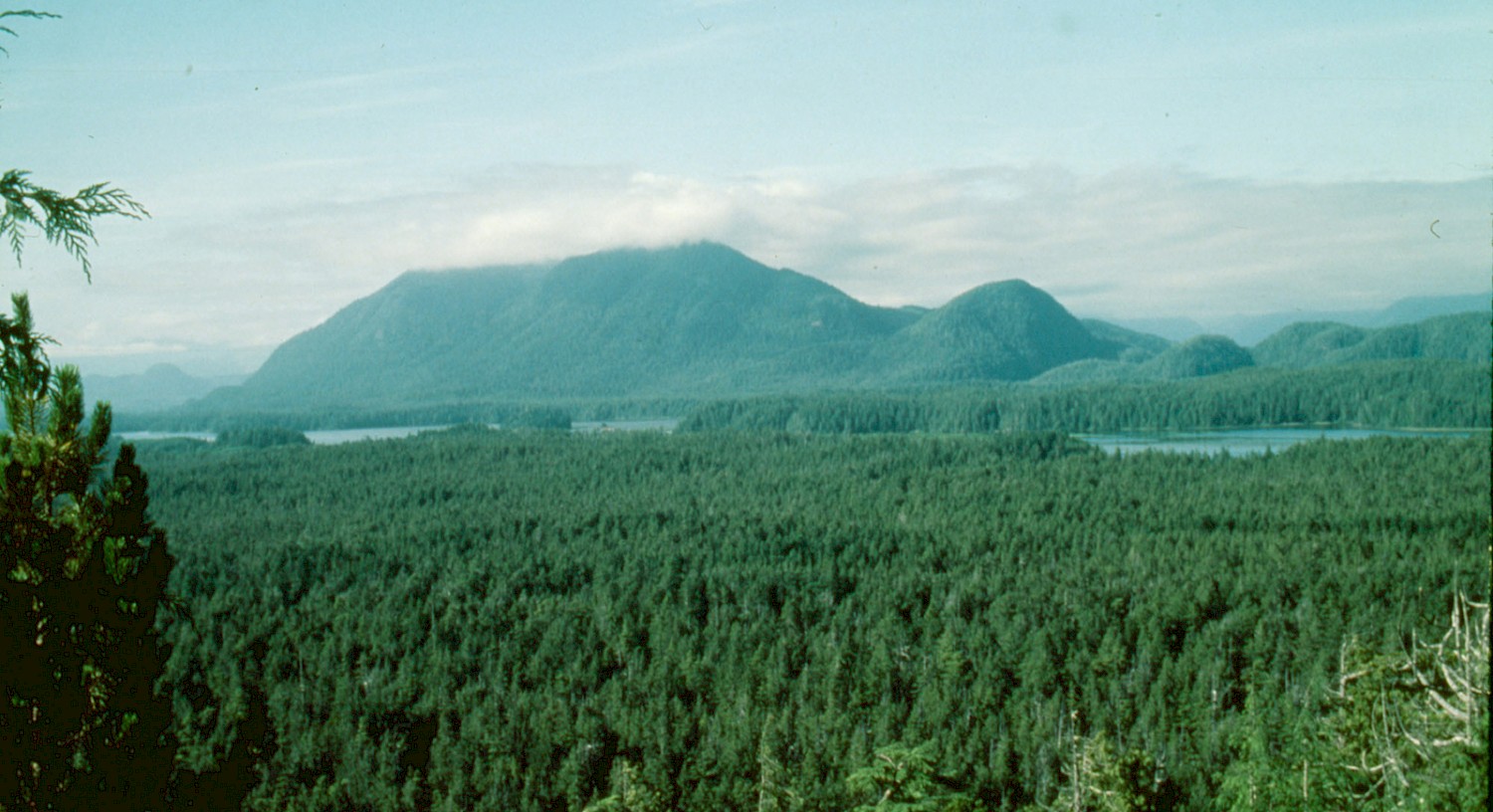
In the late 1980s, the community emerged as a focal point for environmental activism when large-scale logging plans threatened Meares Island and the ancient temperate rainforests in the Clayoquot Region. Concerned local residents, environmentalists and Indigenous Peoples stood united against the timber industry, engaging in protests and blockades in what became known as the War in the Woods. The demonstrations culminated in the largest act of peaceful civil disobedience in Canadian history, leading to the implementation of local regulations and a renewed commitment to protect this extraordinary landscape.
Today and looking forward
While Tofino has changed and grown over the years, it continues to honour its roots that are deeply connected to the land and sea. It remains a place where opportunity and alternative lifestyles flourish, where artists find inspiration, and where people are passionate about protecting the surrounding environment. It’s also a place where new ideas take shape and thrive.
The Wickaninnish Inn is situated on the traditional, ancestral and unceded territory of the Tla-o-qui-aht First Nation, and we wish to acknowledge and recognize the lands on which we stand and share. We honour those who have and remain stewards of this land, and we deeply appreciate the historical importance and contributions of the Indigenous people with whom we are collectively committed to sharing the bounty and responsibility of our Clayoquot Sound region for future generations.


